La historia oficial suele ser escrita por quienes tienen los recursos para difundirla, pero la verdad histórica suele ser mucho más persistente. Este enero de 2026, la Universidad Nacional de Mar del Plata, bajo la figura de su rectora Mónica Biasone; ha decidido reincidir en un acto que diversos sectores de excombatientes y familiares de caídos consideran una afrenta: la postulación al Premio Nobel de la Paz para el veterano Julio Aro y el militar británico Geoffrey Cardozo.
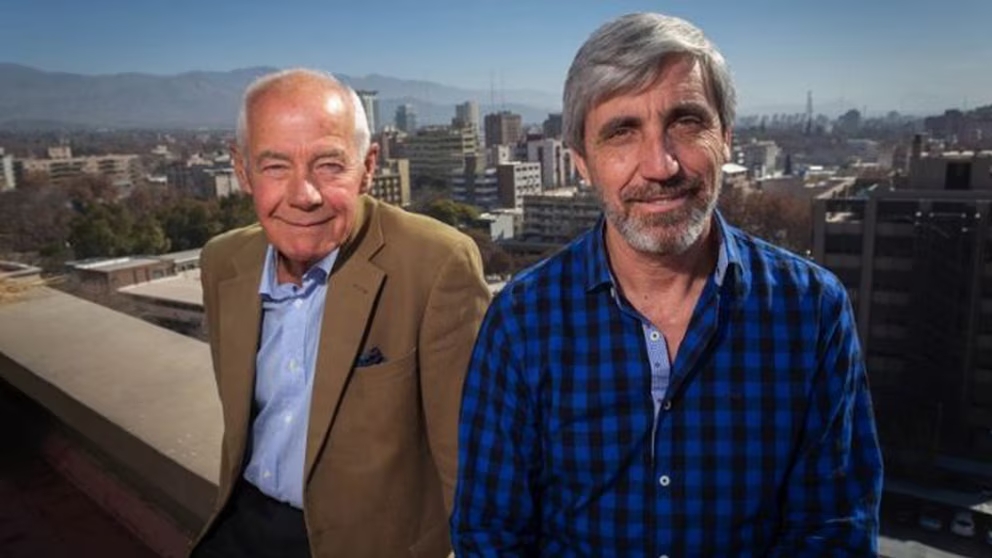
Lo que la universidad presenta como un "mensaje de unidad y futuro" es, para quienes conocen los entretelones de la causa Malvinas, una construcción mediática endeble que busca legitimar una violación flagrante al Derecho Internacional Humanitario.
El mito del "Sepulturero Humanitario"
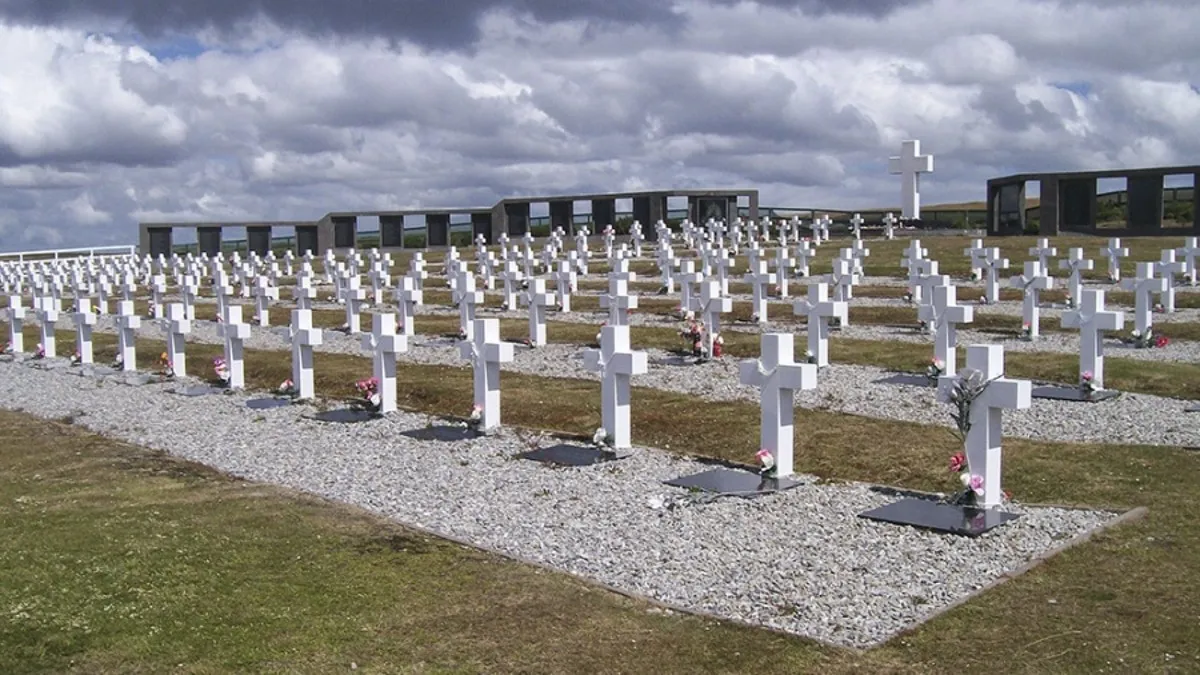
El relato montado sostiene que Cardozo, por "humanidad", entregó a Aro información clave para identificar a los soldados enterrados en el Cementerio de Darwin. Sin embargo, la realidad es mucho más sombría. Geoffrey Cardozo no fue un actor humanitario; fue el oficial designado por Margaret Thatcher en 1982 para llevar a cabo una misión unilateral: exhumar los cuerpos de los soldados argentinos distribuidos en los campos de batalla y amontonarlos en un paraje solitario de Darwin.
Esta acción, realizada sin el consentimiento del Estado argentino y violando las Convenciones de Ginebra, constituyó una profanación que buscó ocultar la identidad de los héroes argentinos. Tal como denunciaron familiares como Norma Gómez —hermana del soldado caído Eduardo Gómez—, el relato de Cardozo sobre el respeto hacia los cuerpos es una fábula. Los informes de la Cruz Roja revelaron que muchos soldados, lejos de recibir "buena sepultura" en cajones, fueron enterrados en bolsas de plástico.
La usurpación del trabajo ajeno
La postulación de Aro y Cardozo incurre en una omisión deliberada de la verdadera línea de tiempo de las identificaciones. Mucho antes de la aparición mediática de la dupla, el CECIM La Plata ya solicitaba al Equipo Argentino de Antropología Forense (EAAF) el inicio de estas tareas en 1987. Fueron las familias chaqueñas y las gestiones del gobierno argentino en 2012 ante la Cruz Roja las que cimentaron el camino legal y científico.
El Plan de Proyecto Humanitario no nació de un encuentro casual en Londres, sino de una lucha jurídica de décadas que los británicos solo aceptaron tras la firma del nefasto acuerdo Foradori-Duncan en 2016, que otorgó concesiones de soberanía a cambio de permitir un derecho humano básico: la identidad de los muertos.
Intereses cruzados y la caja del Nobel
Resulta alarmante que la UNMDP insista en este camino. Fuentes internas de la misma universidad señalan que detrás de esta perseverancia institucional existen intereses personales y económicos. La sombra del millón de dólares que otorga el galardón parece ser el motor de un círculo estrecho vinculado a las autoridades universitarias.
Mientras tanto, la Fundación "No Me Olvides" de Julio Aro estaría recibiendo financiamiento de entidades como la Falkland Islands Association y la fundación Franco Británica de Sillery, presidida por el propio Cardozo. Estas conexiones revelan una red de intereses británicos que utilizan la sensibilidad de la causa humanitaria para socavar el reclamo de soberanía argentino.
Una afrenta a la soberanía
Premiar a Cardozo es premiar al autor material de una acción unilateral que condenó a cientos de familias argentinas a décadas de incertidumbre. Es avalar el relato de quien "limpió" los campos de batalla para la comodidad de los estancieros isleños.
La verdadera paz no se construye sobre el olvido de las leyes internacionales ni sobre el lucro con el dolor de las madres de Malvinas. La memoria de los 649 héroes exige verdad, no una campaña de prensa financiada por la potencia ocupante.
Tags
Otras noticias de Nacionales
Legisladores y organizaciones coinciden en la responsabilidad Melella en no desarmar el radar británico
Taiana volvió a responsabilizar a Melella por la presencia del radar británico en Tierra del Fuego
La Nación explica cómo la “Ley de Soberanía” de Milei avanza sobre la libertad de prensa y los consensos democráticos