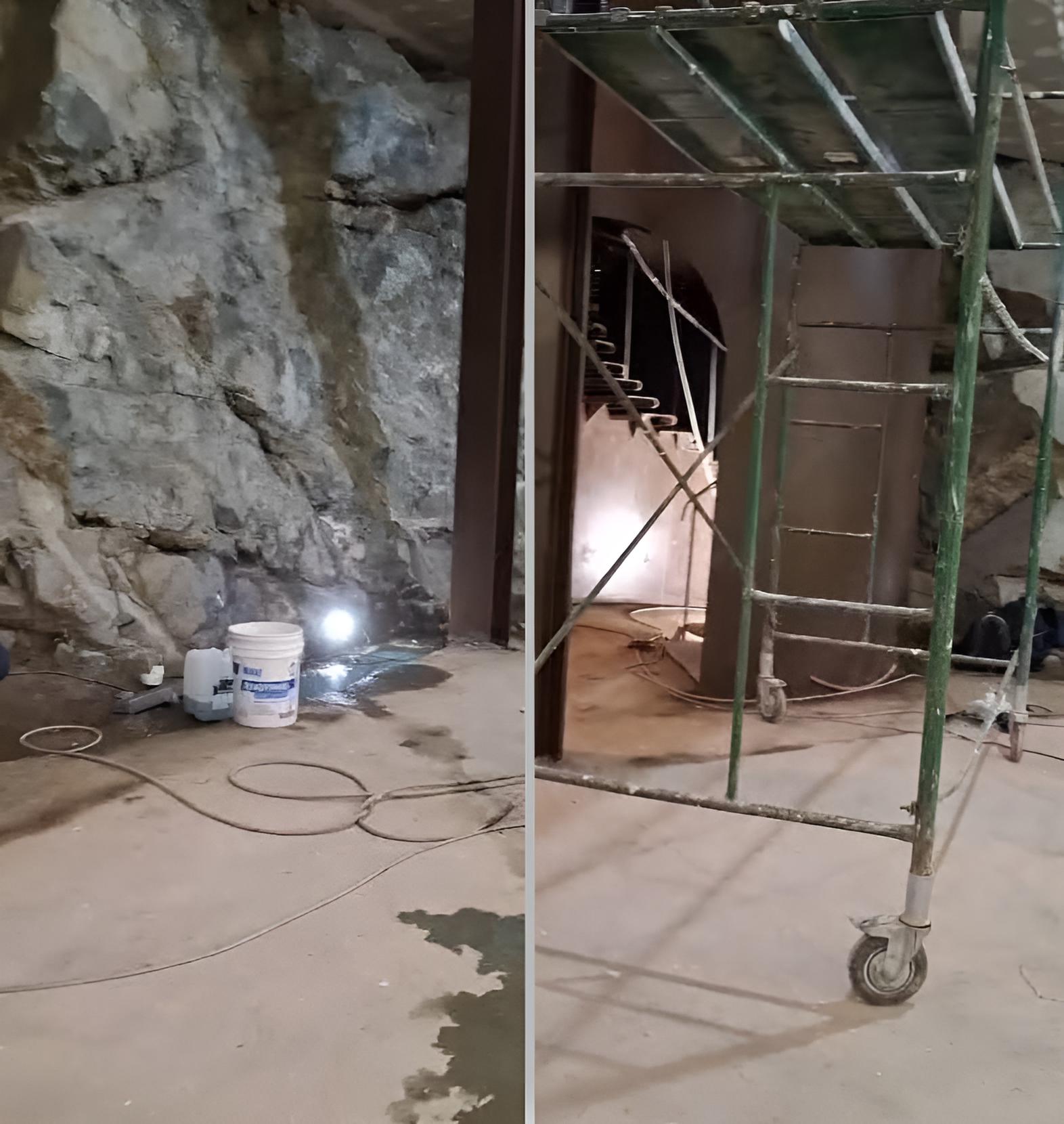
A pocos metros de la costa de Lago Escondido, en un valle encajonado entre cerros que superan los dos mil metros, la piqueta perfora la roca sin que el Estado provincial de Río Negro haya podido precisar -o querido hacerlo- quién autorizó semejante intervención.
Joseph Lewis, el financista británico que en enero recibió el indulto de Donald Trump tras ser condenado por fraude en Estados Unidos, regresó a su estancia patagónica para supervisar lo que fuentes calificadas describen como un búnker de tres subsuelos y dos plantas, con salas de comunicaciones, spa, peluquería y un piso exclusivo para su estadía. Cuatro mil metros cuadrados de hormigón y acero enterrados en morenas glaciarias, que las imágenes satelitales apenas insinúan y que ningún funcionario ha inspeccionado.
La legisladora provincial Magdalena Odarda lleva siete años formulando las mismas preguntas, y las respuestas siguen siendo esquivas. Ahora quiere saber si esa fortificación -totalmente apta para uso militar, según describió en su pedido de informes- es un refugio antiaéreo o simplemente el capricho de un hombre que demostró que en la Patagonia argentina las leyes se negocian puertas adentro.
El Ministerio de Defensa de la Nación, mientras tanto, mantiene desactivado el visor online de áreas de frontera del Instituto Geográfico Nacional, justo cuando más se necesitaba determinar si las excavaciones de Lewis vulneran zonas sensibles para la soberanía.
Pero el magnate no está solo en esta operatoria de fortificación silenciosa. El Emir de Qatar ya tiene su residencia excavada en la roca a 1.700 metros de altura en cerro Baguales, y el fideicomiso Amaike -de la familia real de Abu Dhabi- despliega infraestructura tanto en la cordillera como en la costa atlántica. Este último grupo es el que adquirió de Tavistock, el holding de Lewis, el aeropuerto privado en la costa atlántica rionegrina, a 700 kilómetros en línea recta de las Islas Malvinas, donde ningún control estatal supervisa el tráfico aéreo. Gendarmería no ingresa, Prefectura no ingresa, y cuando la propia policía rionegrina intentó hacerlo, simplemente se le negó el acceso y no hubo consecuencia alguna.
La impunidad, sin embargo, excede el perímetro de las estancias. Siete congresistas estadounidenses recorrieron Tierra del Fuego y Neuquén sin aviso ni invitación a los gobernadores, en un avión de la Fuerza Aérea de los Estados Unidos que nadie convocó oficialmente. Gustavo Melella protestó tibiamente, como de costumbre; Rolando Figueroa prefirió enojarse con la prensa que lo sorprendió sin respuestas. A 48 horas de aquella visita, el embajador Jamieson Greer -secretario comercial de la representación comercial en Argentina- estampaba su firma en un acuerdo de comercio recíproco con Pablo Quirno. Nadie cree en las casualidades.
Lo que ocurre en Lago Escondido, en las costas de Sierra Grande y en los faldeos de El Bolsón no es solo la historia de un millonario que construye su refugio antibombas personalizado mientras se lo indulta de sus delitos financieros. Es la crónica de una renuncia: la de las provincias a ejercer su jurisdicción, la del Estado nacional a custodiar sus fronteras, la de una dirigencia que normaliza que haya parcelas del territorio donde el poder extranjero edifica sin presentar planos y los comisarios regresan a sus dependencias con las manos vacías.
La Patagonia se ha convertido en un paraíso de zonas liberadas, y el búnker de Lewis no es más que la expresión más ostensible de aquello que las autoridades, por acción u omisión, han decidido no ver.
Tags
Otras noticias de Nacionales
El Acuerdo del Estado Rector del Puerto: La trampa que erosiona la soberanía argentina en Malvinas
Milei manda tropas a Panamá sin autorización del Congreso y profundiza la subordinación al Comando Sur
CENSURA DIGITAL: NAVITAS VUELVE A BLOQUEAR EL ACCESO A SU WEB PARA LOS USUARIOS DE LA ARGENTINA