
Este 22 de febrero, la República Argentina celebra 122 años de presencia ininterrumpida en el continente blanco. No es un aniversario cualquiera; es el recordatorio de una epopeya que comenzó en 1904 y que hoy sostiene a nuestro país como el referente antártico mundial por excelencia. Pero mientras la infraestructura nacional y la iniciativa fueguina dan pasos de gigante hacia la autonomía, una sombra geopolítica se proyecta desde el Norte global sobre Ushuaia, amenazando con convertir nuestra "Puerta a la Antártida" en un enclave de intereses norteamericanos.
HeliUshuaia: Soberanía con sello fueguino
El pasado jueves 12 de febrero, se escribió una página de oro para la provincia. La empresa HeliUshuaia, una firma enteramente fueguina, con sede en la capital de nuestra provincia, concretó un exitoso vuelo exploratorio a la Base Petrel. A bordo de su Beechcraft King Air B200, la tripulación demostró que el desarrollo tecnológico y la pericia profesional nacida en Tierra del Fuego, son capaces de resolver los desafíos logísticos más extremos.
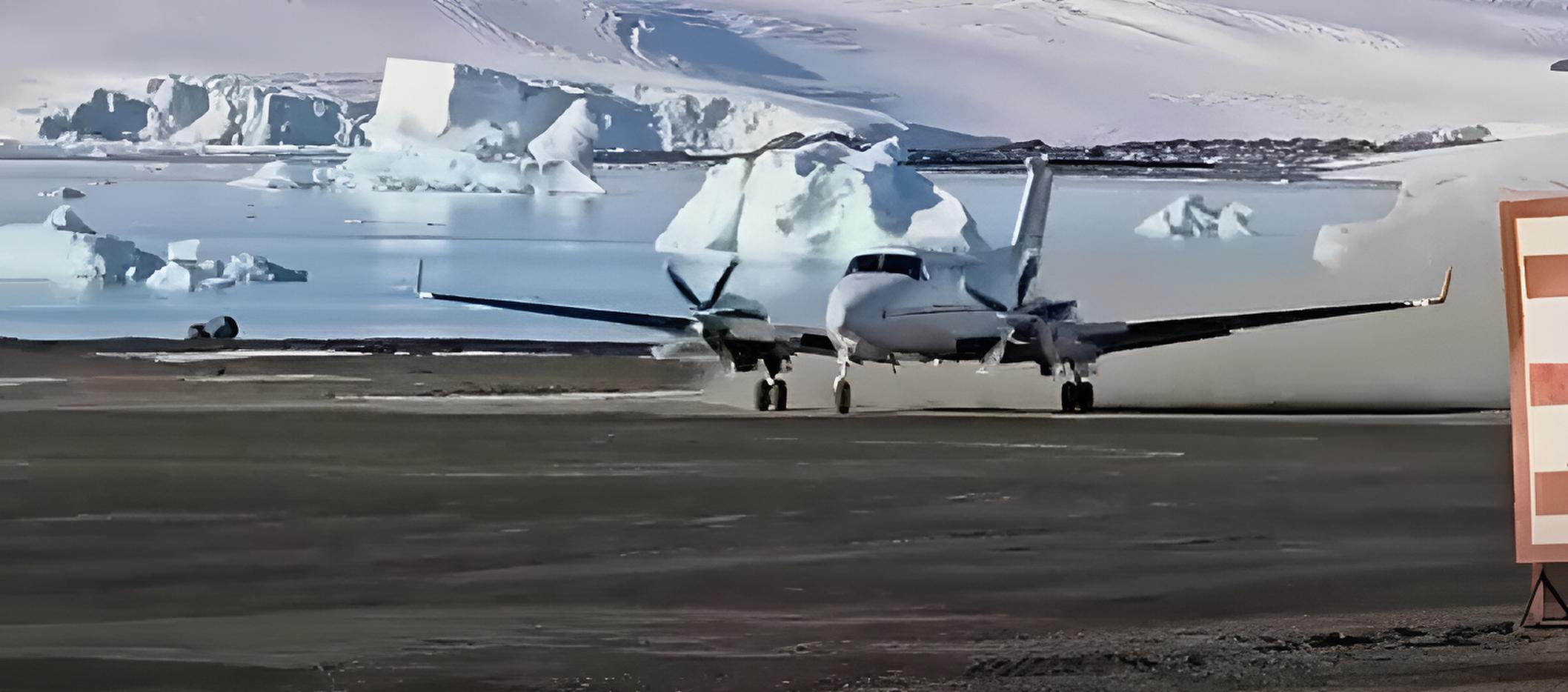
Este vuelo no fue un hecho aislado: fue la validación de un puente aéreo civil, logístico y comercial que une Ushuaia directamente con la Antártida. La demostración de que ni Argentina ni Tierra del Fuego, necesita tutelaje externo para operar nuestro territorio. La eficiencia de una empresa local, trabajando codo a codo con el Comando Conjunto Antártico, desde la capital de la provincia bicontinental, de capitales y recursos fueguinos, es la respuesta más contundente a quienes afirman que Argentina "necesita socios" para su desarrollo estratégico.
El desfile de los jefes del Comando Sur: De Richardson a Holsey
Sin embargo, esta capacidad de autogestión choca de frente con la política de entrega que promueve la administración de Javier Milei. La presencia del Comando Sur de los Estados Unidos (SOUTHCOM) en Tierra del Fuego ha pasado de ser una preocupación a una ocupación territorial de hecho.
La zaga de visitas entre 2021 y 2025, es alarmante. No solo fue la generala Laura Richardson con su retórica sobre los "recursos naturales" y la "seguridad regional". Antes de ella, había venido el almirante Craig Faller, y más recientemente, el año pasado, el almirante Alvin Holsey.
Holsey no vino de paseo. Y no solo "inspeccionó" las obras de la Base Naval Integrada, sino que fue mucho más allá: expresó abiertamente las aspiraciones del Pentágono de poseer una base para submarinos del Comando Sur en Ushuaia. El plan, según se desprende de los diálogos con el Ministerio de Defensa, apunta a establecer esta infraestructura en el Canal Beagle, o “un muelle propio”, dentro del futuro puerto de la Base Naval Integrada que lentamente se construye en la Península de Ushuaia, Un punto neurálgico para el control del paso interoceánico y el acceso a la Antártida.
El peligro de una "Base Naval Integrada" bajo bandera ajena
La Base Naval Integrada (BNI) fue concebida como un proyecto nacional para que la Armada Argentina tuviera un centro logístico de vanguardia. Sin embargo, bajo el actual esquema, el riesgo es que Argentina ponga el territorio y los Estados Unidos pongan la "gestión".
Aceptar financiamiento y supervisión del Comando Sur para una base de submarinos o un polo logístico militar en el Beagle no es "integración", es cesión de soberanía. Es permitir que la misma potencia que es aliada histórica del Reino Unido en la OTAN —y que sostiene la base de Monte Agradable en nuestras Islas Malvinas— ponga un pie operativo en nuestra propia casa.
A 122 años del primer observatorio en Orcadas, la lucha por la Antártida no es solo contra el hielo, sino contra la desidia política argentina. El éxito de HeliUshuaia nos muestra el camino: inversión local, desarrollo tecnológico propio y orgullo fueguino.
Tags
Otras noticias de Antártida
El Rompehielos Irízar zarpó de Ushuaia para la etapa final de la Campaña Antártica
Chile fortalece su presencia en la Antártida mientras Argentina retrocede
Perforan 2.8 km en la Antártida y recuperan el registro climático más antiguo de la historia


