La respuesta formal del Reino Unido ante la demorada queja de la Cancillería argentina por la incursión del patrullero militar HMS Medway confirma el peor escenario: Londres intenta vaciar de contenido y anular en la práctica la validez de los acuerdos bilaterales de posguerra. Lejos de ampararse en el silencio, el Foreign Office y el Ministerio de Defensa británico articularon una réplica formal que busca legitimar su libre tránsito por nuestras aguas jurisdiccionales, pretendiendo equiparar un buque de guerra ilegalmente apostado en Malvinas con cualquier navío científico o comercial.
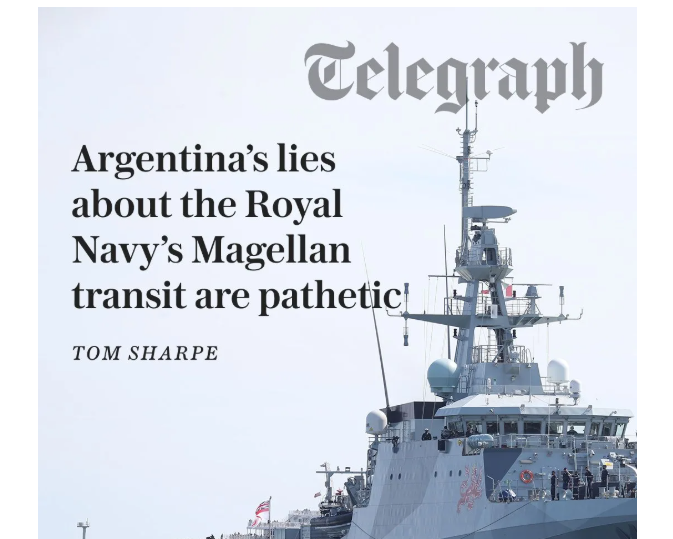
Las mentiras de Argentina sobre el tránsito de la Royal Navy por Magallanes son patéticas; sostiene Telegraph
Las tres cartas de Londres para justificar la provocación
Según los datos de la diplomacia británica recabados por la prensa nacional e internacional, la corona estructuró su defensa sobre tres argumentos principales:
1. La figura del "paso inocente": El Reino Unido rechaza de cuajo que el desplazamiento del HMS Medway —ocurrido entre el 5 y el 8 de julio camino a los muelles de Punta Arenas— constituya una violación de soberanía. Sostiene que la navegación fue un ejercicio legítimo de "paso inocente" enmarcado en la Convención de las Naciones Unidas sobre el Derecho del Mar (CONVEMAR).
2. La pantalla del soporte antártico: Para dotar al cruce de un marco "civil" y "científico", Londres introdujo una justificación logística. Afirmó oficialmente que el movimiento formó parte de una "visita de rutina a Chile para apoyar las operaciones del British Antarctic Survey (BAS), entregando suministros esenciales" destinados a sostener la campaña del rompehielos RRS Sir David Attenborough.
3. La afirmación de un aviso genérico: Gran Bretaña asegura que no rompió los canales de comunicación de la posguerra. Su vocero declaró textualmente: “Hemos notificado al gobierno argentino de antemano sobre la visita logística de rutina del HMS Medway a Chile”.
Con esta última declaración, Londres expone su trampa: el Reino Unido considera cumplido el protocolo enviando una información genérica sobre un itinerario internacional a Chile, pero omitiendo y desconociendo deliberadamente la obligación de acordar formalmente su ingreso al Mar Territorial argentino con 48 horas de anticipación, tal como lo exige la normativa bilateral específica.
El contraataque político: Acusaciones de "manipulación"
La respuesta británica sumó además un fuerte componente político. Al haber quedado entrelazada la difusión del comunicado de Cancillería con el postpartido donde la Selección Argentina venció 2 a 1 a Inglaterra y plantó la bandera "Las Malvinas son argentinas", Downing Street endureció su postura.
Voceros del gobierno colonial isleño y medios de prensa británicos acusaron formalmente a la Argentina de ejecutar una "manipulación política", argumentando que el Palacio San Martín utilizó deliberadamente un movimiento naval de rutina y reglamentario para alimentar el fervor nacionalista tras el triunfo futbolístico.
¿Por qué no aplica el "Paso Inocente" en el Atlántico Sur?
El argumento británico del "paso inocente" constituye una falacia jurídica diseñada para anular los derechos soberanos de la República Argentina y esquivar los controles vigentes.
¿Qué es el Paso Inocente?
Según la Convención de las Naciones Unidas sobre el Derecho del Mar (CONVEMAR), el paso inocente es el derecho que tienen los buques de todos los Estados de navegar por el mar territorial de otro país, siempre que el tránsito sea rápido, ininterrumpido y no sea perjudicial para la paz, el buen orden o la seguridad del Estado ribereño. Si bien incluye a los buques de guerra, estos no deben realizar actividades que impliquen amenazas, uso de la fuerza o ejercicios con armas.
¿Por qué NO aplica en este caso específico?
- La existencia de Derecho Particular (Madrid II): En el derecho internacional, las normas y tratados específicos firmados bilateralmente entre dos Estados tienen preeminencia sobre las convenciones generales. Argentina y el Reino Unido firmaron en febrero de 1990 el Tratado de Madrid II, reformulado mediante las Declaraciones Conjuntas de 1991 y del 12 de julio de 1993.
- La franja obligatoria de las 15 millas: El apartado I.2 ("Medidas de fortalecimiento de la confianza"), punto "b" de dicho acuerdo establece taxativamente que cualquier movimiento de una unidad naval de combate a menos de 15 millas náuticas de la costa de la otra parte exige una notificación escrita previa de 48 horas y debe realizarse bajo mutuo acuerdo.
- La condición de buque de ocupación: El HMS Medway no es un buque extranjero en tránsito regular; es una unidad militar artillada que el Reino Unido destaca ilegalmente en las Islas Malvinas para sostener la ocupación colonial de territorio argentino. Su sola procedencia y naturaleza portan una hostilidad que anula el principio de "inocencia" del paso.
Al utilizar la figura general de la CONVEMAR, Gran Bretaña busca desvincularse del Tratado de Madrid II. Aceptar la postura de Londres implicaría convalidar que un buque de la Royal Navy tiene derecho a navegar libremente frente a las costas de Santa Cruz y Tierra del Fuego sin pedir autorización ni dar los avisos de posguerra correspondientes.
Tags
Otras noticias de Atlántico Sur
Londres proyecta un cable submarino entre Uruguay y Malvinas con una empresa contratista de YPF
Con un tercio de sus bodegas cargadas, el petrolero británico dejó Tierra del Fuego y navega rumbo a Texas
La colonia británica suspende la temporada de pesca por la baja histórica del calamar