La crisis presupuestaria que atraviesan las Fuerzas Armadas Argentinas alcanzó una nueva dimensión territorial e institucional. El medio local Punta Indio y el diario Página 12 comunicaron durante las últimas horas de este jueves 20, la decisión de Armada Argentina de formalizar el desmantelamiento operativo de la histórica Base Aeronaval Punta Indio (BAPI), cuna formativa de generaciones de aviadores navales ubicada en una posición neurálgica sobre el litoral bonaerense y la desembocadura del Río de la Plata.
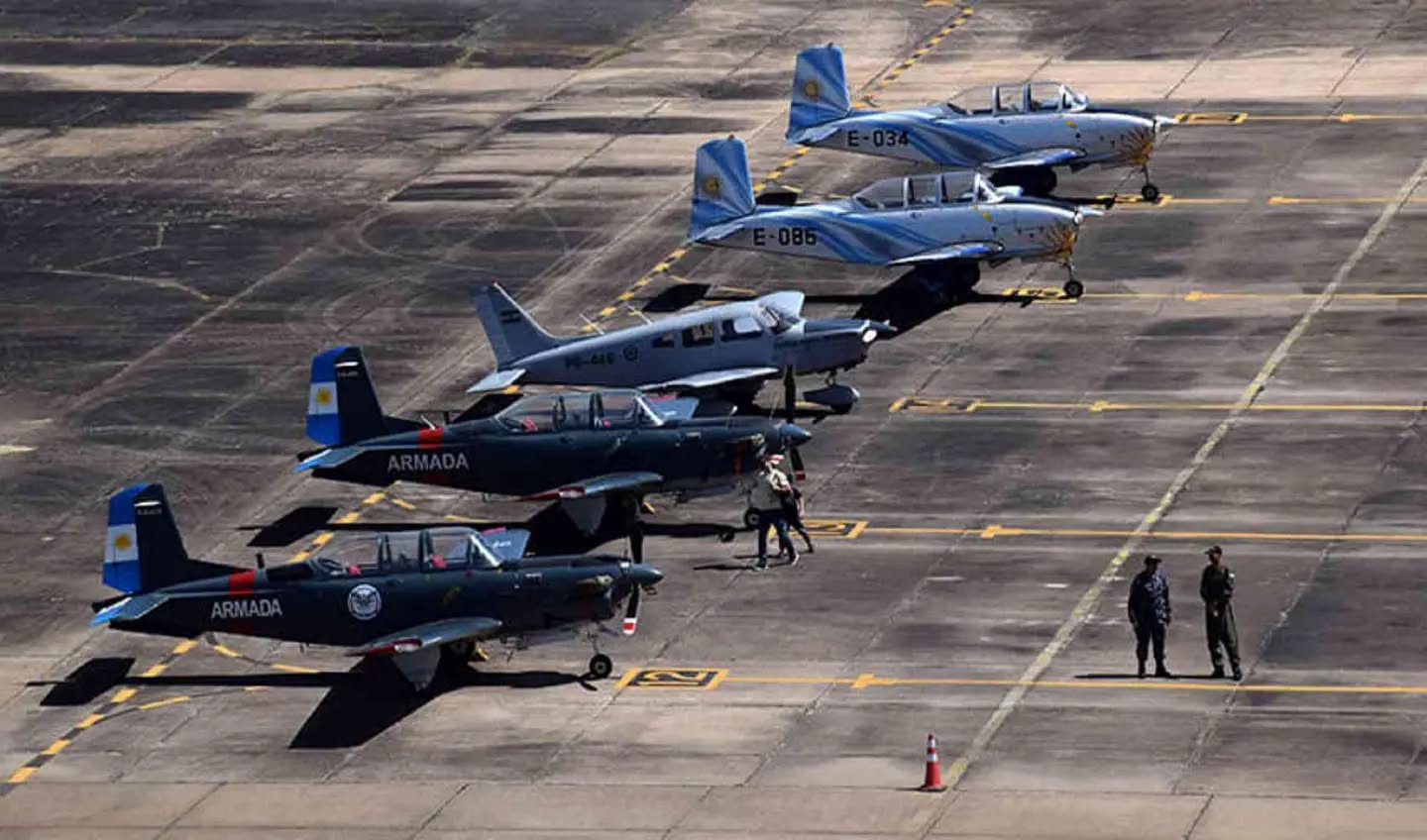
Según transmitieron ambos medios, partir de enero próximo, la emblemática base militar perderá su condición operativa y pasará a denominarse formalmente "Estación Aeronaval Punta Indio". La resolución oficial, comunicada formalmente al personal por el comandante de la Aviación Naval, Contraalmirante Germán Román Olivero, establece el traslado definitivo de la Escuela de Aviación Naval (ESAN), de los aviones de entrenamiento Beechcraft y de las tres aeronaves B200 Cormorán —modificadas específicamente para tareas de exploración y patrullaje de búsqueda y rescate marítimo— hacia la Base Aeronaval Comandante Espora, en las cercanías de Bahía Blanca.
El vaciamiento de una posición geoestratégica
Detrás del argumento de la "optimización de recursos" y la "centralización logística", la medida implica el abandono de una presencia militar permanente en un punto clave para el control de los accesos fluviales y marítimos del país.
1. Pérdida de control directo en el Río de la Plata: Punta Indio ha sido históricamente el bastión aeronaval que custodiaba la entrada a la Vía Navegable Troncal (el Río Paraná) y las aguas compartidas del Río de la Plata exterior. Concentrar toda la aviación en Bahía Blanca aleja los medios aéreos navales del área de mayor tráfico comercial y densidad marítima de la Argentina.
2. Impacto en el protocolo SAR (Search and Rescue): Los aviones B200 Cormorán apostados en Punta Indio garantizaban una respuesta rápida ante emergencias marítimas en aguas abiertas bajo convenios internacionales ratificados por la Organización Marítima Internacional (OMI). El repliegue hacia el sur dilata los tiempos de respuesta ante catástrofes marítimas o emergencias en la zona metropolitana y el litoral norte, transfiriendo de facto toda la responsabilidad a medios de la Prefectura Naval.
3. Quiebre en la formación aeronaval: La Escuela de Aviación Naval no solo instruye a los pilotos de la Armada, sino que mediante acuerdos de cooperación internacional ha formado históricamente a aviadores de otras fuerzas armadas y países de la región. El desmantelamiento de sus pistas y hangares tradicionales reduce la capacidad docente e instructiva a un esquema comprimido en Espora.
La crisis presupuestaria como factor de repliegue
La degradación de Punta Indio a estación secundaria responde directamente a la sostenida asfixia presupuestaria que afecta al sector Defensa:
- Desmantelamiento material: Con un recorte en gastos de funcionamiento que en términos reales supera el 80% de pérdida salarial y decenas de miles de millones de pesos cercenados a los programas operativos, la Armada se ve forzada a cerrar instalaciones para concentrar lo poco que queda en una única cabecera.
- Golpe a la comunidad local: En la localidad de Verónica y el partido de Punta Indio, la base constituía el principal motor socioeconómico. El traslado de 150 efectivos militares con sus respectivas familias y la supresión de partidas operativas representarán una caída abrupta en la circulación económica del distrito, aun con la promesa oficial de mantener operativos los talleres de mantenimiento para evitar el despido del personal civil.
- Incertidumbre en el sostenimiento técnico: Convertir a Punta Indio en un aeródromo sin aviones asignados, supeditado a recibir naves de otras bases para reparaciones mayores, plantea serios interrogantes sobre la viabilidad técnica y financiera de sostener infraestructuras de esa magnitud a mediano plazo sin presupuesto operativo propio.
Una matriz de vulnerabilidad integral
El cierre operativo de Punta Indio se suma a una secuencia de decisiones estructurales que debilitan la arquitectura de la Defensa Nacional:
- La cesión del monitoreo y la inteligencia del Mar Argentino mediante el Programa 333 y la adopción doctrinaria de los "Bienes Comunes Globales" (Global Commons) con el Comando Sur de los EE.UU.
- El avance de proyectos de reestructuración ministerial que buscan diluir la naturaleza militar de la Flota de Mar para asimilarla a funciones policiales de Prefectura.
- El endeudamiento para la adquisición de armamento externo cuyos códigos y logística dependen de potencias de la OTAN, en simultáneo con la degradación de los recursos salariales y sanitarios de la tropa propia.
La pérdida de una base aeronaval no es un simple reordenamiento administrativo: constituye una retracción territorial del Estado argentino. Mientras el Atlántico Sur y sus vías fluviales concentran tensiones geopolíticas y la persistente usurpación colonial en las Islas Malvinas, el repliegue hacia el sur debilita el dispositivo de alerta temprana y disuasión soberana en el corazón estratégico de la República.
Tags
Otras noticias de Nacionales
El gobierno proyecta la privatización encubierta de fabricaciones militares
LA GESTIÓN TAIANA EN DEFENSA DESMIENTE QUE EL ING. YAYA HUBIERA INTEGRADO ESA CARTERA
La petrolera británica Harbour Energy se expande como una metástasis por toda Argentina