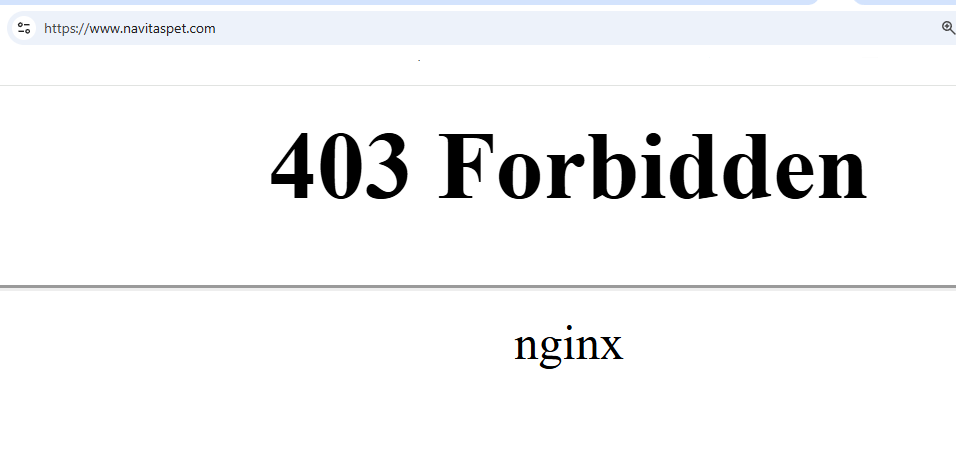
El intento de censura digital aplicado por la petrolera israelí Navitas Petroleum —mediante la activación de la restricción geográfica "403 Forbidden" para los usuarios que intentan navegar su portal oficial desde la Argentina—, tiene finalmente una explicación documentada. La maniobra corporativa buscaba desesperadamente ocultar lo que hoy constituye una verdadera confesión de parte: la publicación oficial en su plataforma institucional del desembarco definitivo en el bloque adyacente PL001, un área de 1.126 kilómetros cuadrados licitada ilegalmente por el gobierno colonial británico que usurpa nuestras islas.
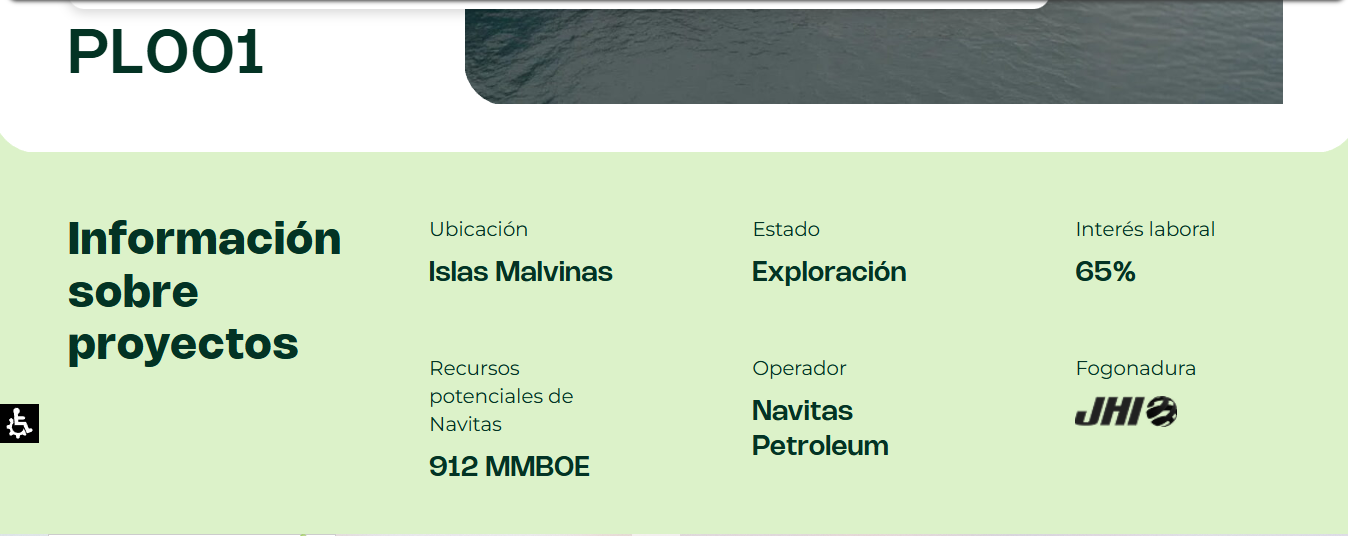
A través de herramientas de navegación internacional que eluden el cerrojo del servidor, Agenda Malvinas accedió de forma directa al texto técnico actualizado que la petrolera exhibe ante los mercados globales. La información oficial publicada por Navitas confirma, palabra por palabra, las alertas que este medio vino anticipando a partir del análisis cruzado de las presentaciones bursátiles de la canadiense JHI Associates Inc. y la británica Rockhopper Exploration.
La confesión textual de Navitas: Expansión, reservas y auditoría externa
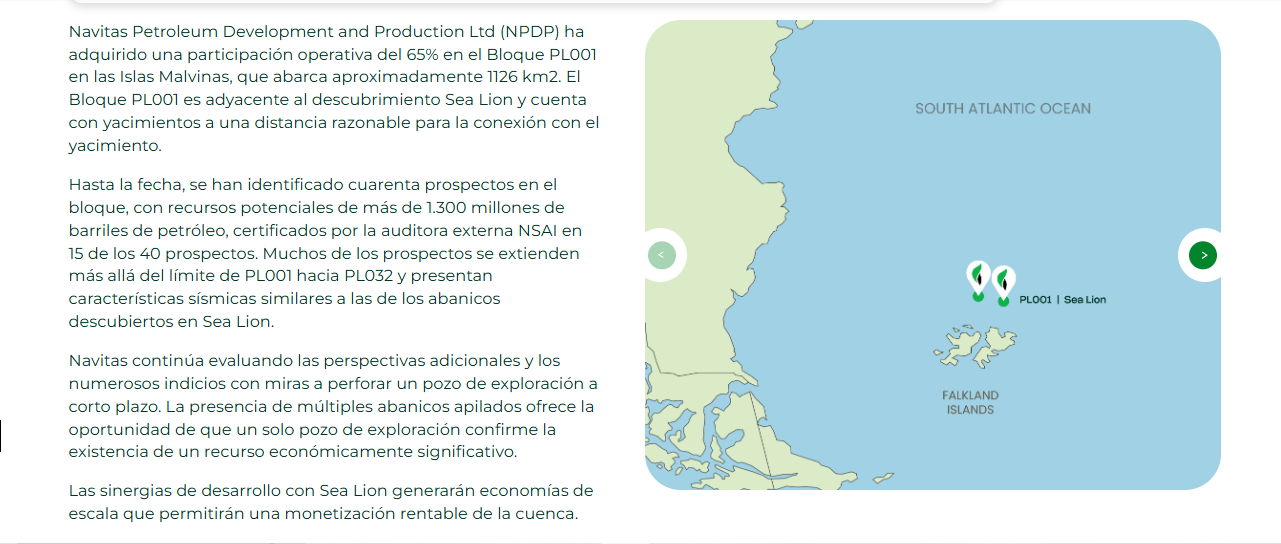
En la sección de proyectos de su plataforma web, la filial británica propiedad del holding israelí, Navitas Petroleum Development and Production Ltd (NPDP), describe con precisión quirúrgica el avance sobre el nuevo bloque adyacente al yacimiento Sea Lion:
"Navitas Petroleum Development and Production Ltd (NPDP) ha adquirido una participación operativa del 65% en el Bloque PL001 en las Islas Malvinas, que abarca aproximadamente 1.126 km². El Bloque PL001 es adyacente al descubrimiento Sea Lion y cuenta con yacimientos a una distancia razonable para la conexión con el yacimiento.
Hasta la fecha, se han identificado cuarenta prospectos en el bloque, con recursos potenciales de más de 1.300 millones de barriles de petróleo, certificados por la auditora externa NSAI en 15 de los 40 prospectos. Muchos de los prospectos se extienden más allá del límite de PL001 hacia PL032 y presentan características sísmicas similares a las de los abanicos descubiertos en Sea Lion.
Navitas continúa evaluando las perspectivas adicionales y los numerosos indicios con miras a perforar un pozo de exploración a corto plazo. La presencia de múltiples abanicos apilados ofrece la oportunidad de que un solo pozo de exploración confirme la existencia de un recurso económicamente significativo.
Las sinergias de desarrollo con Sea Lion generarán economías de escala que permitirán una monetización rentable de la cuenca."
La coincidencia del saqueo: El antecedente de JHI y la reestructuración de acciones
Esta publicación oficial de Navitas coincide plenamente con los reportes que la canadiense JHI Associates Inc. difundía antes de reestructurar su paquete accionario y vender el control a la multinacional Eco (Atlantic) Oil & Gas Ltd. y a la propia Navitas.
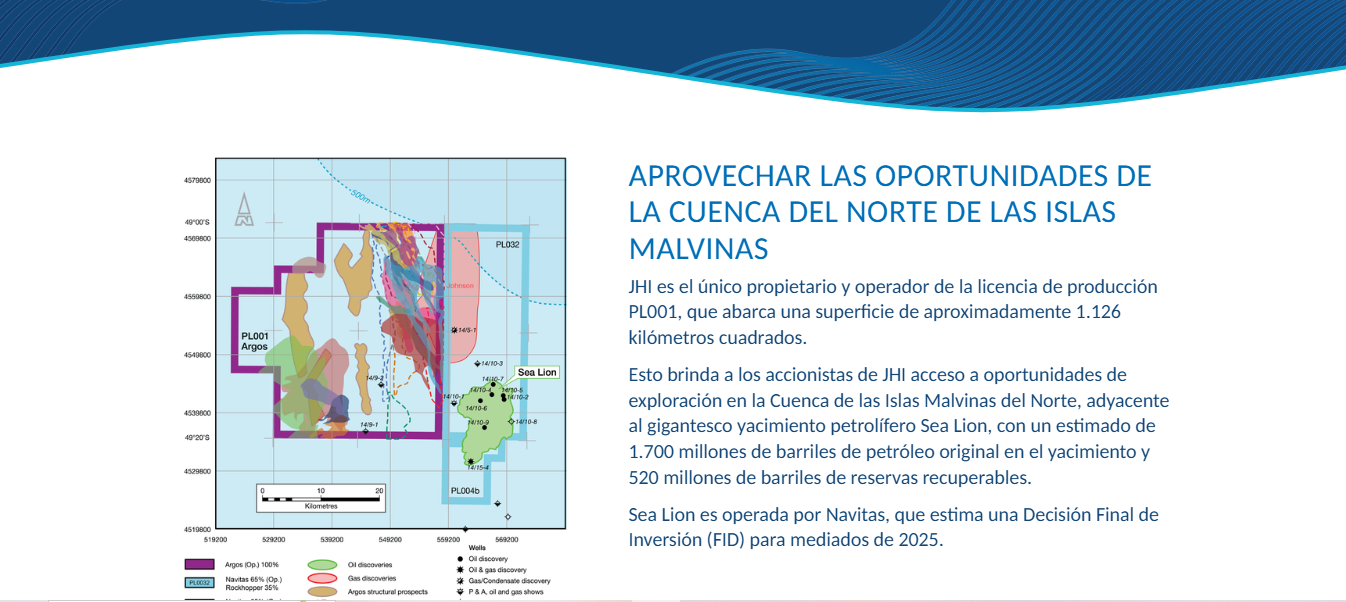
En sus informes de cierre de 2025, JHI reconocía que la concesión PL001 otorgaba acceso directo a la ilegítima Cuenca Malvinas Norte, rodeando al yacimiento principal Sea Lion (el cual, según declaran; posee un estimado de 1.700 millones de barriles de petróleo original en el yacimiento y más de 520 millones de barriles de reservas recuperables en sus fases iniciales).
Al cruzar ambas publicaciones, la estrategia del consorcio anglo-israelí-canadiense queda al descubierto en tres ejes centrales:
1. Monopolio geográfico y operativo: Con el control del 65% de Sea Lion y el 65% del bloque PL001, Navitas no solo explota un pozo aislado; se ha garantizado la hegemonía operativa sobre toda la Cuenca Malvinas Norte bajo control colonial británico.
2. Validación técnica externa: La certificación de la reconocida auditora internacional Netherland, Sewell & Associates, Inc. (NSAI) sobre 15 de los 40 prospectos identificados en PL001 le otorga al proyecto "seguridad financiera" para la captación de crédito en las bolsas de valores. Con más de 1.300 millones de barriles de recursos potenciales certificados en ese bloque, la cuenca completa supera holgadamente los 3.000 millones de barriles recuperables.
3. La técnica del Tie-Back como herramienta de monetización: De la misma manera que lo está realizando el consorcio conformado por total Energy, Harbour Energy y Panamerican Energy en la costa norte de la Isla Grande de Tierra del Fuego -con la unión del yacimiento Fénix con Vega Pleyade-; la propia empresa israelí admite abiertamente la intención de conectar los yacimientos de PL001 mediante tuberías y umbilicales submarinos al buque factoría (FPSO) que se instalará en Sea Lion. Al utilizar la fórmula de "distancia razonable para la conexión", abaratan los costos de capital y aceleran la tasa de retorno de los inversores.
Los motivos reales de la censura digital a la Argentina
La aparición de este texto en la web de Navitas explica la urgencia de la petrolera en levantar la muralla del código "403 Forbidden" para los usuarios de la Argentina.
Saben que la confirmación de la expansión al bloque PL001 liquida por completo la narrativa discursiva del gobierno nacional y de las gacetillas de la Cancillería. Muestra a una corporación extranjera que no está "esperando a ver qué pasa con la diplomacia", sino que está unificando licencias ilegítimas, contratando auditorías internacionales, planificando pozos de exploración a corto plazo y diseñando la infraestructura industrial para llevarse las reservas energéticas de las futuras generaciones de argentinos.
La maniobra de bloqueo fue la respuesta corporativa ante el temor de que la opinión pública argentina accediera a sus propios datos. Tras las revelaciones de Agenda Malvinas —amplificadas por medios nacionales como Página/12, El Destape, Ámbito Financiero y señales como C5N—, la publicación del avance sobre PL001 expone la total inacción de las autoridades argentinas y fueguinas, frente a firmas que violan de manera sistemática un compendio de leyes y regulaciones, como la Ley de protección a los hidrocarburos 26.659, el Código Aduanero y las normas ambientales.
La información propia, que Navitas intenta esconder de los ojos de los argentinos; demuestra que la ingeniería del despojo en el Atlántico Sur avanza a paso firme, impulsada por las economías de escala y la codicia de los mercados financieros.
Ya no se trata solo de Sea Lion; se trata del saqueo integral de la Cuenca Malvinas Norte mediante una red de conexiones submarinas que vendrán a consolidar la presencia colonial por otros 50 años.
Tags
Otras noticias de Atlántico Sur
Londres proyecta un cable submarino entre Uruguay y Malvinas con una empresa contratista de YPF
Con un tercio de sus bodegas cargadas, el petrolero británico dejó Tierra del Fuego y navega rumbo a Texas
La colonia británica suspende la temporada de pesca por la baja histórica del calamar