La reciente presencia no informada del avión bimotor "Águila 5" (matrícula 60I68), perteneciente a la Embajada de Estados Unidos, en el aeropuerto de Río Grande, Tierra del Fuego, ha encendido las alarmas y profundizado el misterio que ya generaba su presencia anterior en San Juan.
La aeronave, un Beechcraft B-200 “Hurón” de la Fuerza Aérea de EE. UU. (USAF), aterrizó el lunes 6 o el martes 7 en el aeropuerto internacional Gobernador Ramón Trejo Noel la ciudad fueguina de Río Grande y se lo detectó en vuelo el mismo martes 7 al mediodía rumbo norte, sumando un nuevo destino a su controversial agenda. Así se pudo verificar a través de la plataforma de seguimientos satelitales de vuelo www.flightradar24.com
Lo más llamativo es el hermetismo absoluto: ni la Embajada, ni la ANAC, ni el Gobierno Nacional, ni las autoridades de Tierra del Fuego informaron las razones de esta visita.
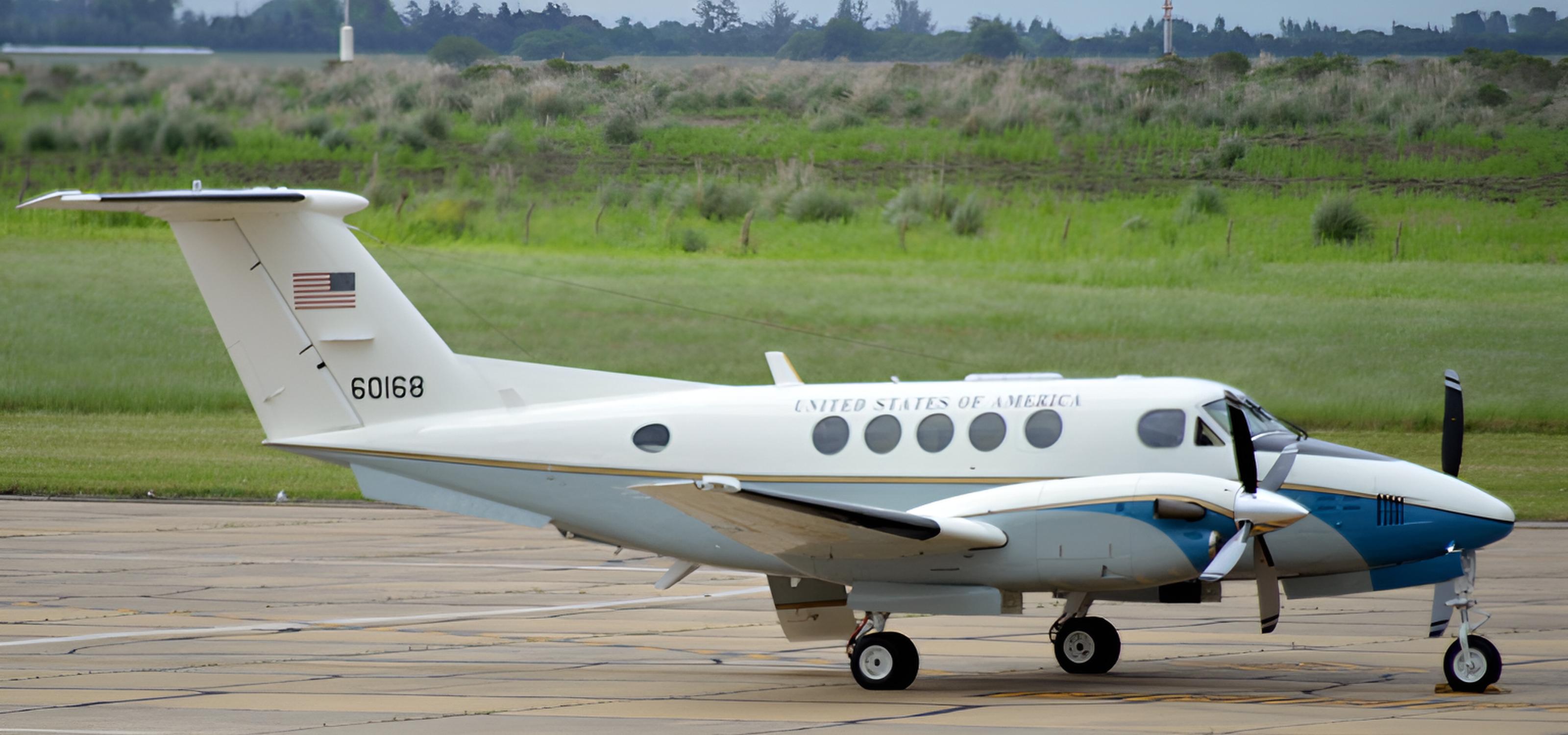
El "Águila 5", matrícula 60I68, en el aeropuerto de Rosario
Este silencio oficial es especialmente inquietante considerando que Río Grande y Tierra del Fuego se encuentran en el epicentro de las ambiciones geoestratégicas norteamericanas en la región, incluyendo el interés en establecer una base naval en el Canal Beagle, influir en el desarrollo antártico desde Ushuaia y presionar para reactivar el radar de LeoLabs en Tolhuin.
La presencia del mismo avión en San Juan
La aparición del "Águila 5" en Río Grande se produce mientras en San Juan se exige una explicación oficial por su aterrizaje la semana pasada en Pampa del Leoncito, una reserva natural y sitio histórico provincial.
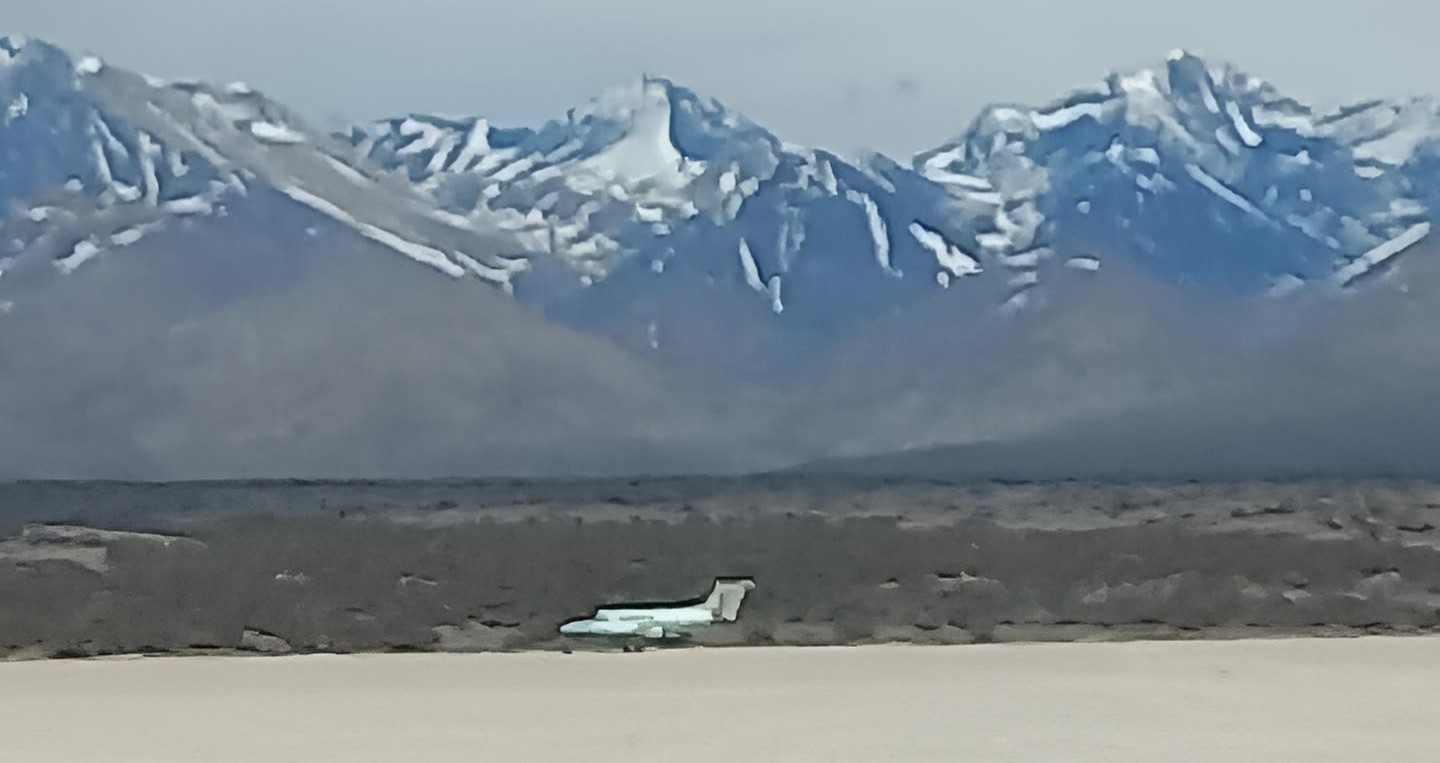
La misma aeronave, los primeros dias de octubre aterrizado en Pampa del Leoncito.
Diputados justicialistas, liderados por Mario Herrero y Graciela Seva, presentaron un proyecto de comunicación en la legislatura sanjuanina pidiendo informes al Ejecutivo provincial. Las dudas persisten a pesar de que el secretario General de la Gobernación, Emilio Achem, afirmó que el vuelo fue solicitado por la Embajada para una reunión con el Ministerio de Minería y que la ANAC autorizó el uso de la pista.
Sin embargo, los legisladores reclaman saber los objetivos claros del vuelo, la tripulación, los pasajeros, y la justificación legal para que una aeronave de ese porte aterrice en un "Monumento Natural Provincial". Las versiones no oficiales apuntan a una posible relación con el impasse del radiotelescopio chino-argentino y el alineamiento con EE. UU.
¿Vuelos de "Reconocimiento" o Misión Específica?
El director de Aeronáutica de San Juan, Aníbal Touris, minimizó el hecho, señalando que el "Águila 5" opera allí con frecuencia y que los pilotos de reemplazo necesitan hacer "reconocimiento de terreno" y "practicar el aterrizaje de la zona".
Pero si se trata solo de prácticas de rutina, ¿por qué el mutismo en Río Grande, un área de alta sensibilidad estratégica?
Una de las hipótesis más fuertes es que la presencia del "Águila 5" y su tripulación, de la cual se desconoce la identidad y el número en este último vuelo, estaría directamente vinculada a la situación del radar de LeoLabs en Tolhuin. Este radar de interés estratégico para Estados Unidos, cuya actividad ha sido motivo de controversia, podría ser la razón real de la visita no informada a la provincia austral, sumando un eslabón más a una cadena de hechos que generan profunda preocupación por la soberanía nacional en el extremo sur del país.
El misterioso itinerario del "Águila 5" exige respuestas urgentes por parte del Gobierno Nacional, de la gestión del gobernador fueguino Gustavo Melella y de la Embajada de Estados Unidos para disipar los temores en el marco de una creciente injerencia militar y estratégica en áreas clave de la República Argentina.
Tags
Otras noticias de Tierra del fuego
La Jueza Federal de Río Grande ordenó a Rockhopper y Navitas paralizar las obras en Malvinas
Seis horas en Ushuaia: la trastienda del desembarco de Quirno y Presti por la Base Naval Integrada
Hay una rotación permanente de marines estadounidenses en unidades militares de Tierra del Fuego